

The metalworking industry is evolving toward a more sustainable model, and the circular economy plays a key role in this transformation. Faced with the depletion of natural resources and the growing concern about environmental impact, many companies have begun adopting practices that reduce waste and optimize the use of materials and machinery.
In this article, we explore what the circular economy is, how it applies to the metalworking sector, and the benefits it offers—especially in the buying and selling of second-hand industrial machinery.
- What Is the Circular Economy and How Is It Applied in the Metalworking Industry?
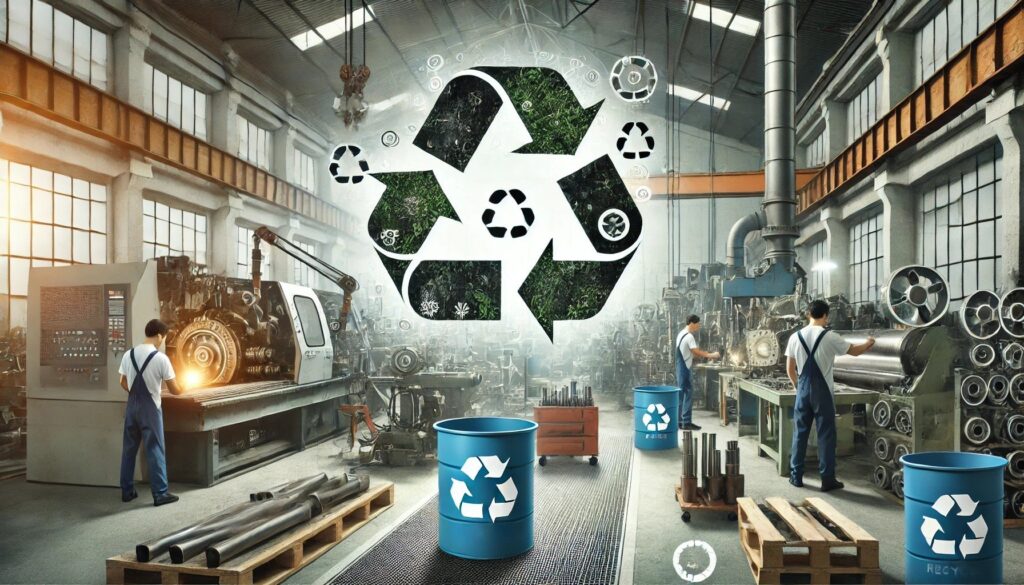
The circular economy is a production and consumption model that seeks to minimize waste and maximize the reuse of materials and products. In the metalworking industry, this approach translates into:
• Reusing metals and alloys in new manufacturing processes
• Recycling industrial waste to reduce the extraction of raw materials
• Optimizing the lifecycle of industrial machinery to prevent premature obsolescence
Instead of discarding equipment or materials, the goal is to reintegrate them into the production system, reducing costs and benefiting the environment. - Benefits of the Circular Economy in Metallurgy
Adopting circular practices in the metalworking sector offers multiple advantages:
Reduction of Production Costs: Recycling metals and reusing machinery reduce the need to purchase new raw materials and equipment, resulting in significant savings.
Lower Environmental Impact: Reusing machinery and materials decreases pollution associated with the extraction, processing, and disposal of metals.
Greater Efficiency and Competitiveness: Companies that implement circular models optimize their production processes, improve profitability, and stand out in an increasingly demanding market.
Compliance with Environmental Regulations: More and more countries are establishing strict regulations to reduce emissions and encourage sustainability within the industry. Applying circular-economy principles makes it easier to meet these requirements. - The Role of Second-Hand Machinery in the Circular Economy
One of the pillars of the circular economy within the metalworking industry is the reuse of industrial equipment. Choosing second-hand machinery instead of purchasing new equipment directly contributes to reducing waste and maximizing resource efficiency.